
JAMBI — At the Language Development Center (UPB) of UIN Sulthan Thaha Saifuddin Jambi, the rhythm of daily academic life now includes a new routine: free Indonesian language classes designed specifically for international students. The program, held every day, reflects the university’s growing commitment to supporting students from abroad, particularly those from Sudan and Thailand; as they adapt to life and study in Indonesia.
The initiative responds to a practical need. Many of the international students, especially those newly arrived from Sudan, are still unfamiliar with Indonesian and require sustained instruction to participate fully in academic activities. For Sudanese students, the requirement is even more intensive: they will spend an entire semester focused solely on learning Indonesian before joining regular coursework.
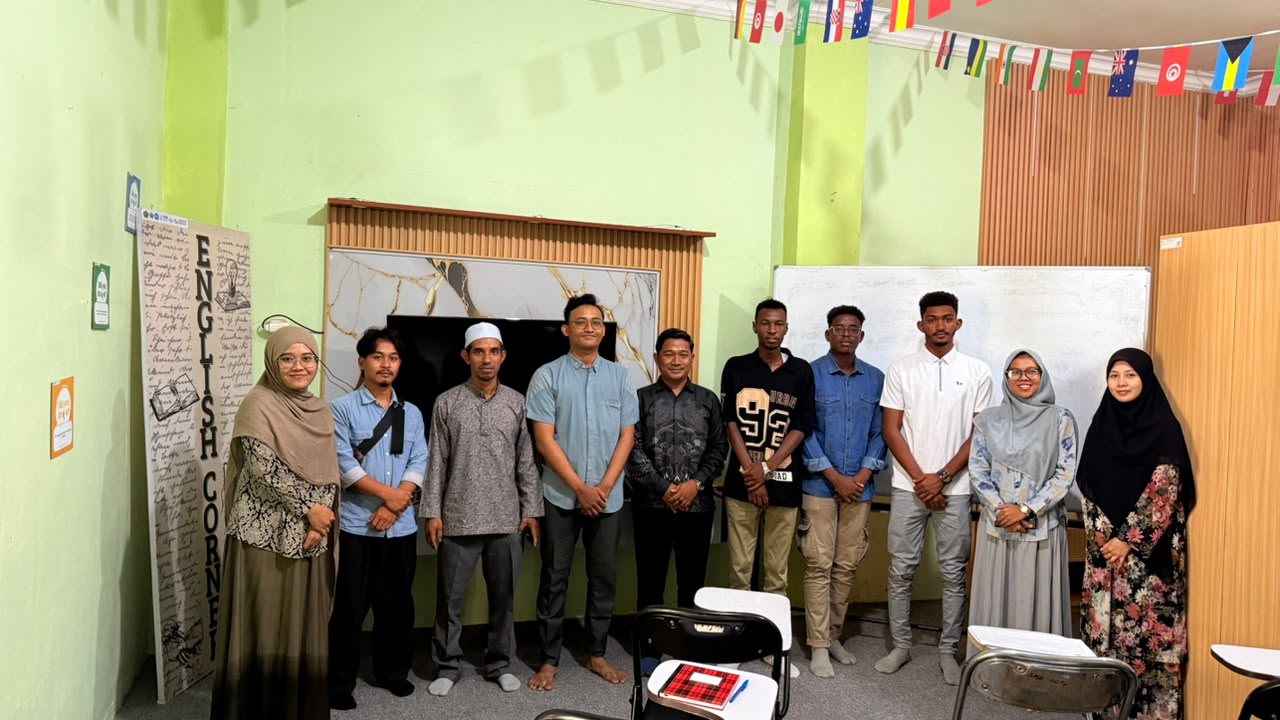
University officials describe the language program as an integral part of the scholarship package offered to international students. The commitment to teaching Indonesian, known locally as BIPA (Bahasa Indonesia bagi Penutur Asing), is not only a gesture of hospitality but also a strategic investment in academic readiness. In return, the university hopes that these students will eventually contribute to the campus community by teaching Arabic to Indonesian students; a reciprocal exchange of linguistic and cultural knowledge.
Aris Dwi Nugroho, representing UPB, emphasized the institution’s preparedness. “UPB is ready to provide full language services for international students. We have already prepared the schedule, lesson plans, curriculum, and the budget,” he said, outlining a structure that mirrors the rigor of formal academic programs.
The university’s leadership echoed this sentiment. Kasful Anwar, the Rector of UIN STS Jambi, noted that the language exchange is part of a broader vision for internationalization. “Besides learning Indonesian, we will also ask them to teach Arabic; either at UPB or at Ma’had Aly,” he said, framing the initiative as mutually enriching.
For Dion Ginanto, Coordinator of PLKI, the goal is both ambitious and achievable. “Indonesian is a language that can be learned quickly. I hope they will be able to speak it before the new semester begins in January,” he remarked, expressing confidence in the students’ progress.
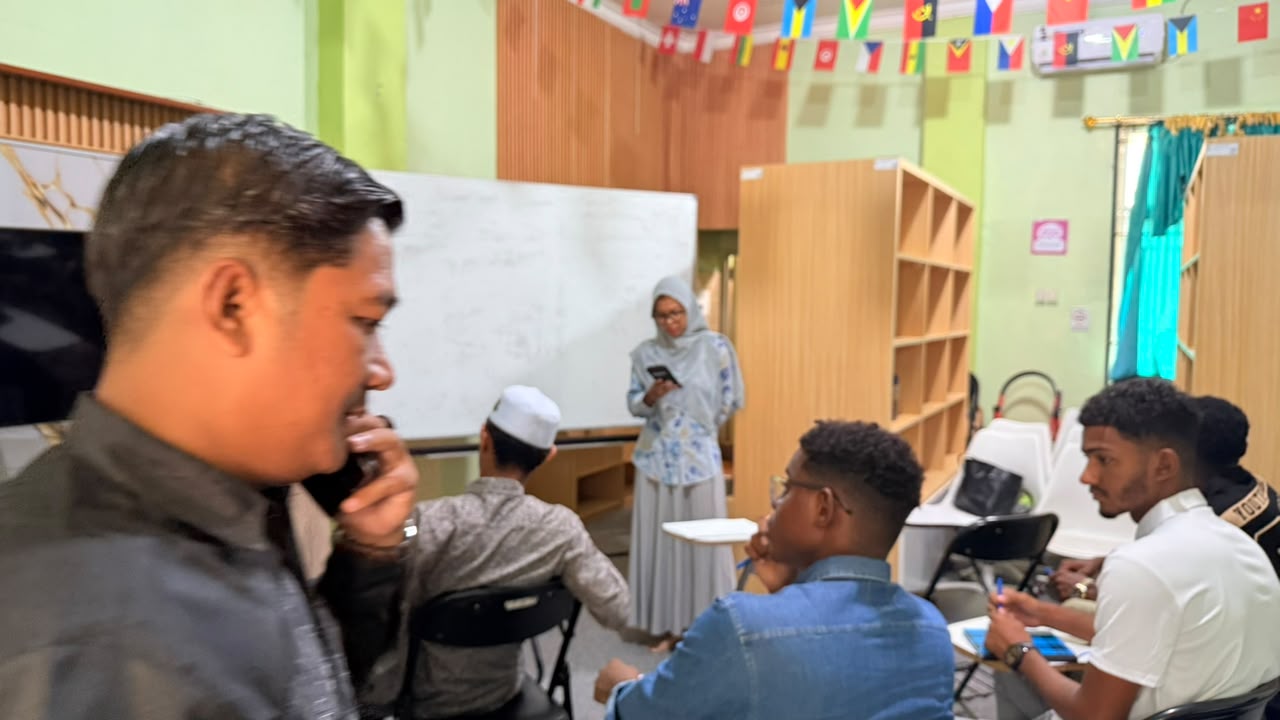
The program’s instructors are also adapting to the diverse needs of the learners. Miss Putry, one of the teachers involved, explained that the classes will be offered in two formats (offline and online) to accommodate varying schedules and learning styles. “We hope they will be able to speak Indonesian soon,” she said.
As UIN Jambi continues to welcome students from across Asia and Africa, the daily language classes at UPB have become a quiet but essential cornerstone of the university’s internationalization efforts. In the classrooms where new words are practiced and unfamiliar sounds repeated, a deeper project is underway: building a shared academic community through language, patience, and cultural exchange.